


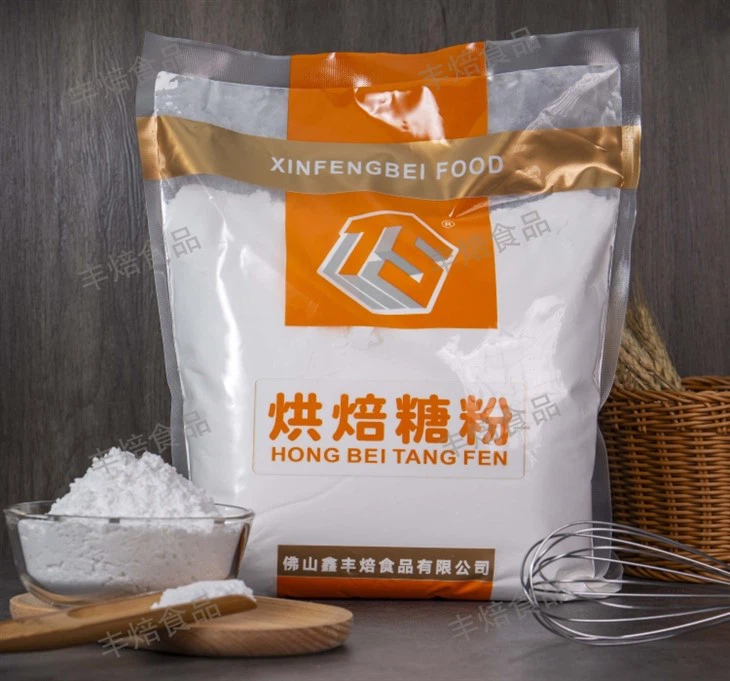
In the frozen baking industry, ingredient consistency and performance are critical. They help make high-quality, shelf-stable products. Bagged powdered sugar (also called confectioners' sugar) is a key ingredient. It works for frozen cakes, cookies, pastries and pre-mixed baking bases. Its special properties fit the needs of frozen production. Here's a simple guide for other manufacturers in the global baking supply chain.
Raw Materials & Production: The Foundation of Quality
High-quality bagged powdered sugar has two main ingredients. They are white sugar and corn starch. The white sugar is ground into a silky, snow-white powder. Corn starch is added in exact amounts. It prevents clumping. This is a big advantage for frozen baking. Good products have no additives. Pure powdered sugar keeps natural sweetness. It has no extra chemicals. It meets what consumers want for cleaner labels. For frozen baking manufacturers, this purity is important. Additive-free ingredients lower the risk of texture changes. They also reduce flavor loss during freezing and thawing.
Core Traits: Why It's Ideal for Frozen Baking
Bagged powdered sugar's features are perfect for frozen baking:
- Fine & Fluffy Texture: Its very fine particles mix well with other ingredients (like flour, butter or cream). They make smooth batters and frostings. Even after freezing and thawing, the texture stays the same. There is no graininess or lumps. This is needed for pre-portioned frozen doughs or ready-to-decorate cake bases.
- Easy Dissolution: Unlike granulated sugar, powdered sugar dissolves fast. It works even in cold mixtures. This is important for frozen baking pre-mixes. Ingredients must blend well. They don't need high heat. This keeps the product stable during freezing.
- Anti-Clumping Design: The added corn starch stops moisture absorption. It keeps the sugar dry and easy to pour. This is vital for long-term storage in factories. It makes sure the sugar works well when mixed into frozen products.
Storage & Shelf Life: Protecting Performance
For frozen baking manufacturers, storing bagged powdered sugar correctly affects product quality. The best storage places are cool, dry and dark. They should be away from direct sunlight and high humidity. Sealed packaging (or putting it into airtight containers) is necessary. It stops moisture from getting in. Moisture can cause clumping. It can ruin batches of pre-mixed dough. With proper storage, bagged powdered sugar stays good for up to 12 months. It is good for buying in bulk and long production cycles. These are common practices in the frozen baking industry.
Versatile Applications in Frozen Baking
Bagged powdered sugar's flexibility makes it useful in frozen production lines:
- Decoration: Sprinkle it directly on frozen bread, cakes or pastries before packaging. When thawed, it keeps a clean, nice look. It doesn't melt or smudge.
- Frosting & Fillings: It is the base for smooth, creamy frostings (like buttercream) and fillings. These are for frozen cookies, macarons or snowflake crisps. The fine texture keeps frostings soft. They are also stable in freezing temperatures.
- Pre-Mixed Bases: Mix it into frozen cake, muffin or scone pre-mixes. It makes them sweeter. It creates a soft, delicate crumb in the final baked product.
5Key Factors for Manufacturers When Sourcing
When choosing bagged powdered sugar for frozen baking, focus on three important points:
- Purity: Choose products with no additives. Clean labels attract modern consumers. They lower risks in product formulas.
- Texture Consistency: Check for even fineness. Uneven particles can lead to uneven mixing. They can cause bad frozen products.
- Packaging Quality: Pick sealed, moisture-resistant bags. They ensure a long shelf life. They make storage easy in large factories.
